
Horror games have always held a unique position in the world of entertainment. Unlike films or books, they don’t just show you fear—they immerse you in it. From dimly lit corridors to the deafening sound of silence, horror games thrive on making players active participants in their nightmares. But how has the genre evolved over the years? In this article, we’ll explore the journey of horror gaming, from its pixelated beginnings to the cutting-edge psychological terrors of today.
The Early Days of Horror Gaming

The roots of horror gaming stretch back to the 1980s and early 1990s, with games like Sweet Home (1989) on the NES. Based on a Japanese horror film, Sweet Home introduced many mechanics that would later become staples of the survival horror genre: limited inventory, environmental storytelling, and permadeath. Though the graphics were primitive, the atmosphere was chilling, proving that horror didn’t need realism—it needed imagination.
Around the same time, PC games like Alone in the Dark (1992) began to experiment with 3D environments and fixed camera angles. These innovations would pave the way for one of the most iconic titles in gaming history.
The Golden Age: Survival Horror Is Born

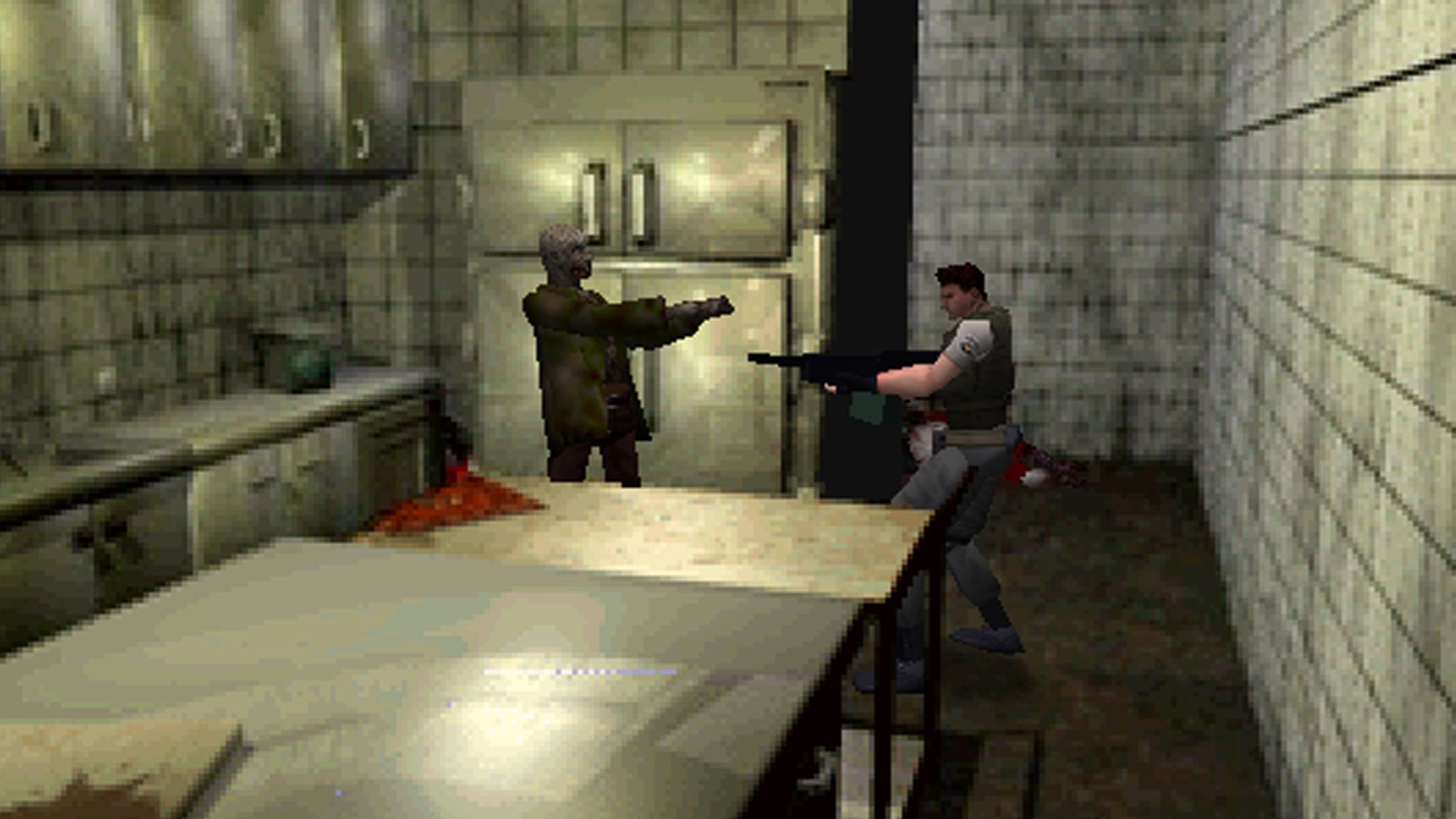
The late 1990s and early 2000s marked the rise of survival horror, with Resident Evil (1996) leading the charge. Capcom’s masterpiece introduced players to the concept of limited resources, forcing them to think carefully about every bullet fired and every health pack used. The game’s claustrophobic mansion setting, combined with grotesque monsters and a gripping plot, solidified survival horror as a mainstream genre.
Around the same time, Silent Hill (1999) brought a different flavour to the genre. Unlike Resident Evil, which leaned on action and gore, Silent Hill embraced psychological horror, blending surreal visuals with an eerie, oppressive soundtrack. Its foggy streets and grotesque creatures weren’t just scary—they were symbols of the protagonist’s inner turmoil. This focus on psychological depth would become a hallmark of many horror games to follow.
The Indie Horror Revolution
While AAA developers were refining horror mechanics, indie developers began experimenting with the genre in unique ways. The rise of platforms like Steam and itch.io in the 2010s allowed smaller teams to create games that pushed boundaries.
Notable Indie Horror Games:
- Amnesia: The Dark Descent (2010): With no weapons to defend yourself, the game forced players to rely on stealth and wits to survive. Its emphasis on helplessness and sanity mechanics redefined modern horror.
- Outlast (2013): Armed only with a night-vision camera, players navigated a terrifying asylum filled with unimaginable horrors. The game’s focus on jump scares and relentless pursuit left players on edge.
- The Convenience Store (2020) by Chilla’s Art: This Japanese indie horror gem combines the mundane with the macabre, showing how everyday settings can become unsettling.
These games proved that big budgets weren’t necessary to create terrifying experiences. In fact, the minimalist approach often amplified the sense of dread, as players filled in the gaps with their imagination.
Modern Horror: Immersion Is Everything
Today’s horror games have taken immersion to new heights, leveraging advanced technology like virtual reality (VR) and spatial audio to make the fear feel more real than ever. Titles like Resident Evil Village (2021) showcase how far the genre has come, blending cinematic storytelling with intense gameplay and next-gen graphics.
The Rise of Psychological Horror:
Modern horror games aren’t just about survival—they’re about storytelling. Games like Hellblade: Senua’s Sacrifice (2017) explore themes of mental illness, blurring the line between reality and hallucination. These experiences go beyond simple scares, leaving a lasting emotional impact.
Asymmetrical Multiplayer Horror:
Games like Dead by Daylight (2016) have introduced a new kind of horror, where players must outwit each other in a deadly game of cat and mouse. The fear here isn’t just the monsters—it’s the unpredictability of human opponents.
What’s Next for Horror Gaming?

The future of horror gaming looks as exciting as it is terrifying. With advancements in AI, developers are experimenting with enemies that adapt to players’ behaviour, creating experiences that are truly unpredictable. Imagine a game where the monster learns your habits, forcing you to constantly change your strategy.
We’re also seeing a resurgence of cosmic horror in games like The Sinking City and SCP-inspired indie projects, blending the fear of the unknown with intense survival mechanics. As technology continues to evolve, horror games will only become more immersive, pushing players deeper into the heart of fear.
Happy Haunting from Terror Nexus!
Whether you’re a longtime fan of the genre or a newcomer looking to dive in, the world of horror gaming has something for everyone. Keep exploring, keep screaming, and remember—on Terror Nexus, the fear never ends.
Leave a Reply