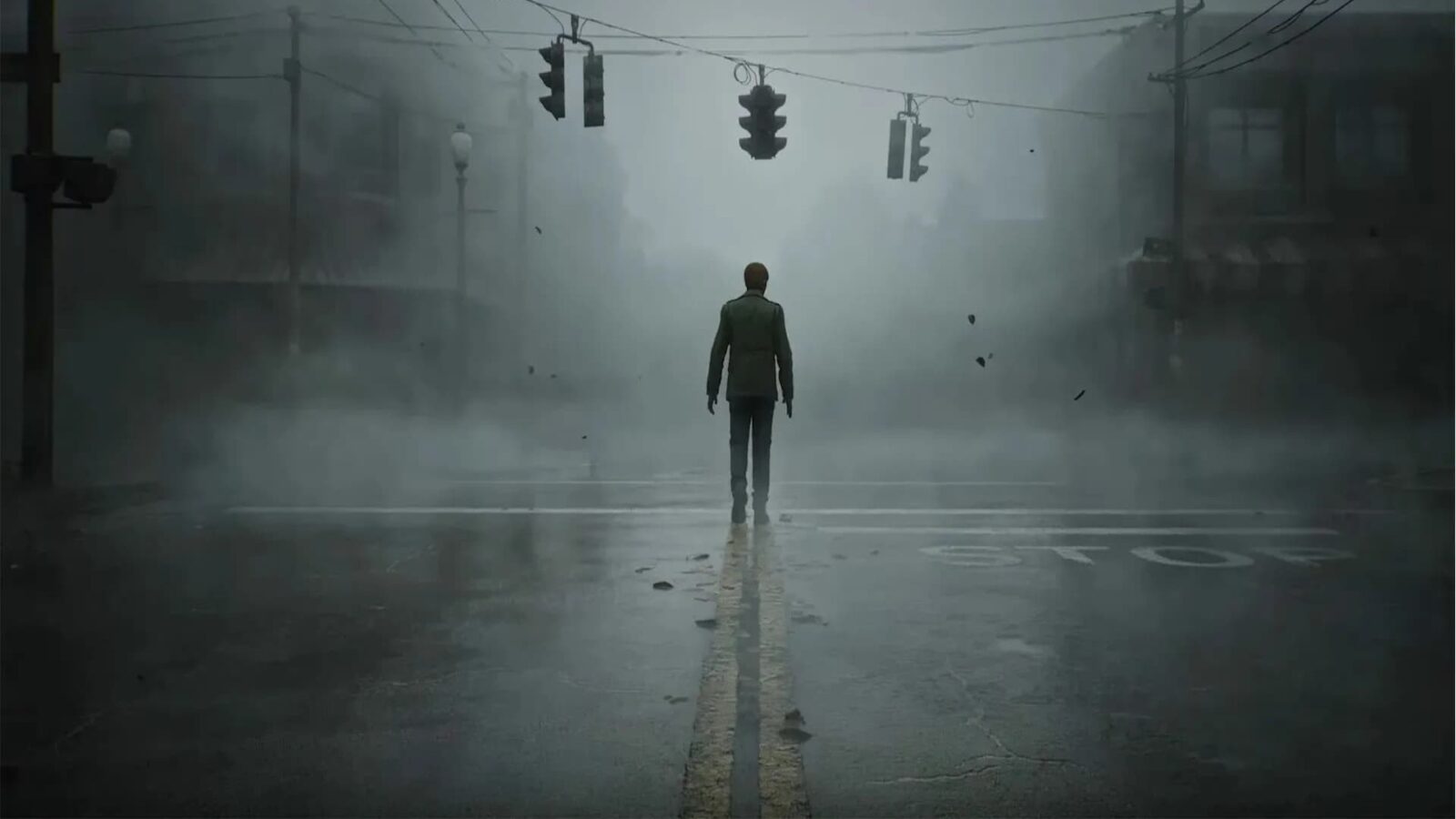
Silent Hill isn’t just a horror game series; it’s a cultural icon that continues to captivate players with its hauntingly complex stories and unsettling atmosphere. Unlike traditional horror, Silent Hill taps into deep psychological fears, existential dread, and the dark corners of the human mind. Whether you’re a seasoned fan or a newcomer intrigued by its legacy, let’s delve into what makes this game series so memorable and terrifying — all without spoilers!
The Town of Silent Hill: More Than Just a Setting

The fictional town of Silent Hill, inspired by real-life locations like Centralia, Pennsylvania, isn’t your typical horror backdrop. Silent Hill itself is almost like a character in the series, shaping and reflecting the fears, guilt, and psychological struggles of the people who find themselves there. A mist-laden lakeside town by day, Silent Hill transforms at night into a nightmarish realm filled with twisted creatures, dark hallways, and eerie, industrialised landscapes.
The town serves as a mirror, often transforming based on the protagonist’s psyche. Unlike other horror games where threats feel external, Silent Hill makes players feel as though they’re wandering through a surreal nightmare tailored to their character’s inner demons.
Psychological Horror at Its Core
While many horror games focus on survival or jump scares, Silent Hill draws its horror from psychological tension. The series explores themes of trauma, guilt, and repression. Rather than relying solely on monsters or gory scenes, Silent Hill plays with your mind. The world around you is filled with unsettling symbols and creatures that serve as metaphors for deep, unsettling emotions. This subtle approach to horror draws you in and encourages you to unravel the storyline, realising that the horror lies just as much within the mind as in the town.
One of Silent Hill’s standout qualities is how it avoids clear answers. The mysteries in each game often remain open-ended, inviting endless fan theories and discussions. By not spoon-feeding its narrative, Silent Hill leaves you to wonder — and often dread — what it all means.
The Iconic Monsters of Silent Hill

Silent Hill’s monsters are not just enemies; they’re twisted representations of the protagonists’ inner fears and traumas. The creatures vary widely across games, each design carefully crafted to symbolise something from the main character’s psyche. For instance, many creatures appear humanoid but disturbingly distorted, with strange shapes and grotesque movements that convey a sense of unease rather than straightforward fear.
Pyramid Head is one of the series’ most iconic monsters, instantly recognisable by his pyramid-shaped helmet and massive blade. His presence symbolises punishment and judgement, reflecting the main character’s internal struggle with guilt. Each encounter with Pyramid Head is a reminder that these monsters aren’t just physical threats — they’re manifestations of something much darker, adding layers of depth to the gameplay.
Sound and Atmosphere: The Genius of Akira Yamaoka
Another crucial element of Silent Hill’s success is its music and sound design, largely created by Akira Yamaoka. The audio in Silent Hill isn’t simply background noise; it’s a psychological tool that enhances the tension and mystery of the game. Haunting melodies, industrial noises, and eerie, distorted sounds echo through Silent Hill’s empty streets and abandoned buildings, intensifying the feeling of dread.
Yamaoka’s music often incorporates unsettling instruments and dissonant melodies, pulling players into the world’s eerie, dreamlike quality. The static on the radio, for example, is both a warning and a nerve-wracking presence, buzzing louder as threats draw near. The soundtrack and sound effects make Silent Hill an immersive experience, with the audio alone capable of sending chills down your spine.
Silent Hill’s Influence on the Horror Genre
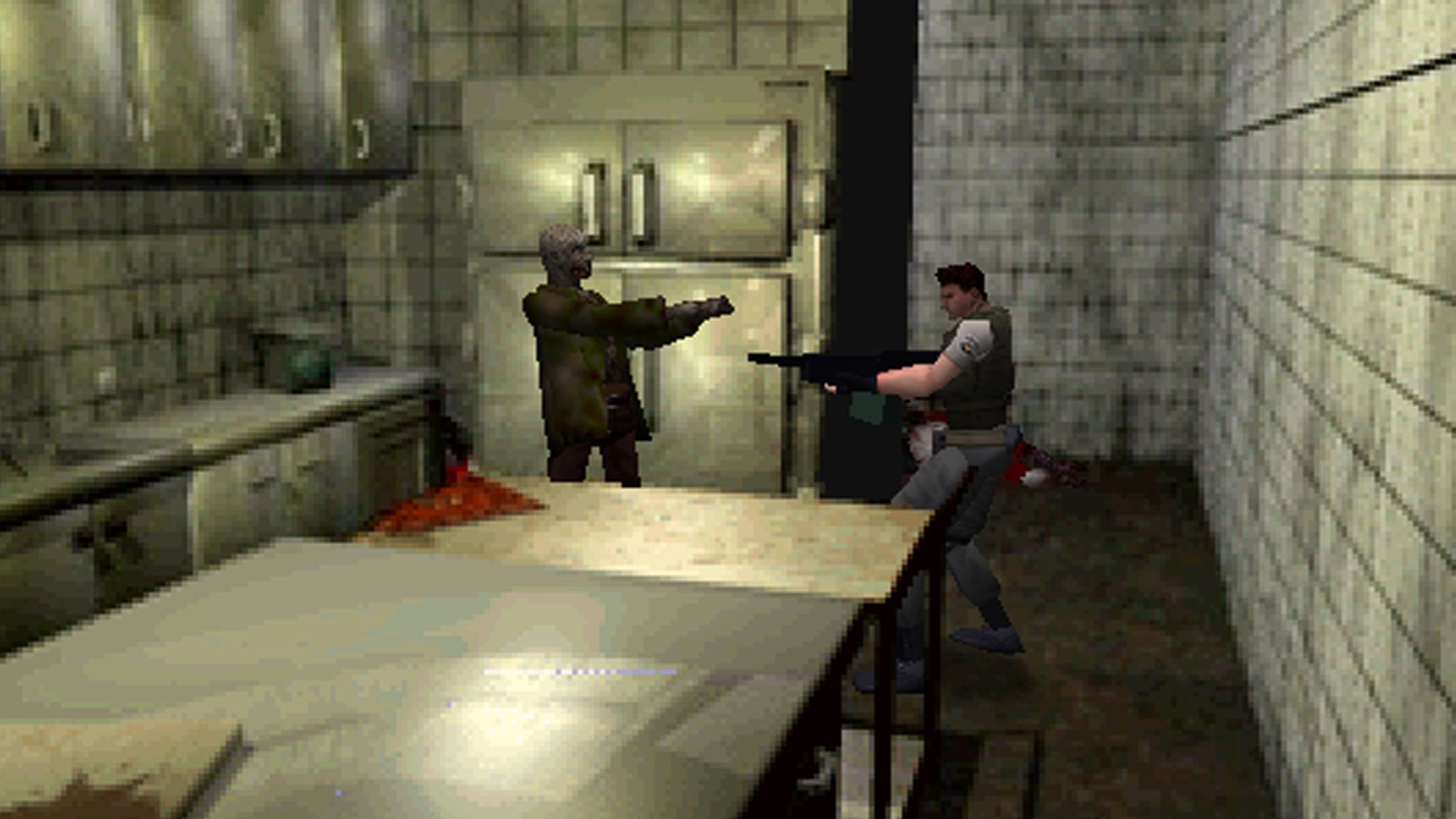
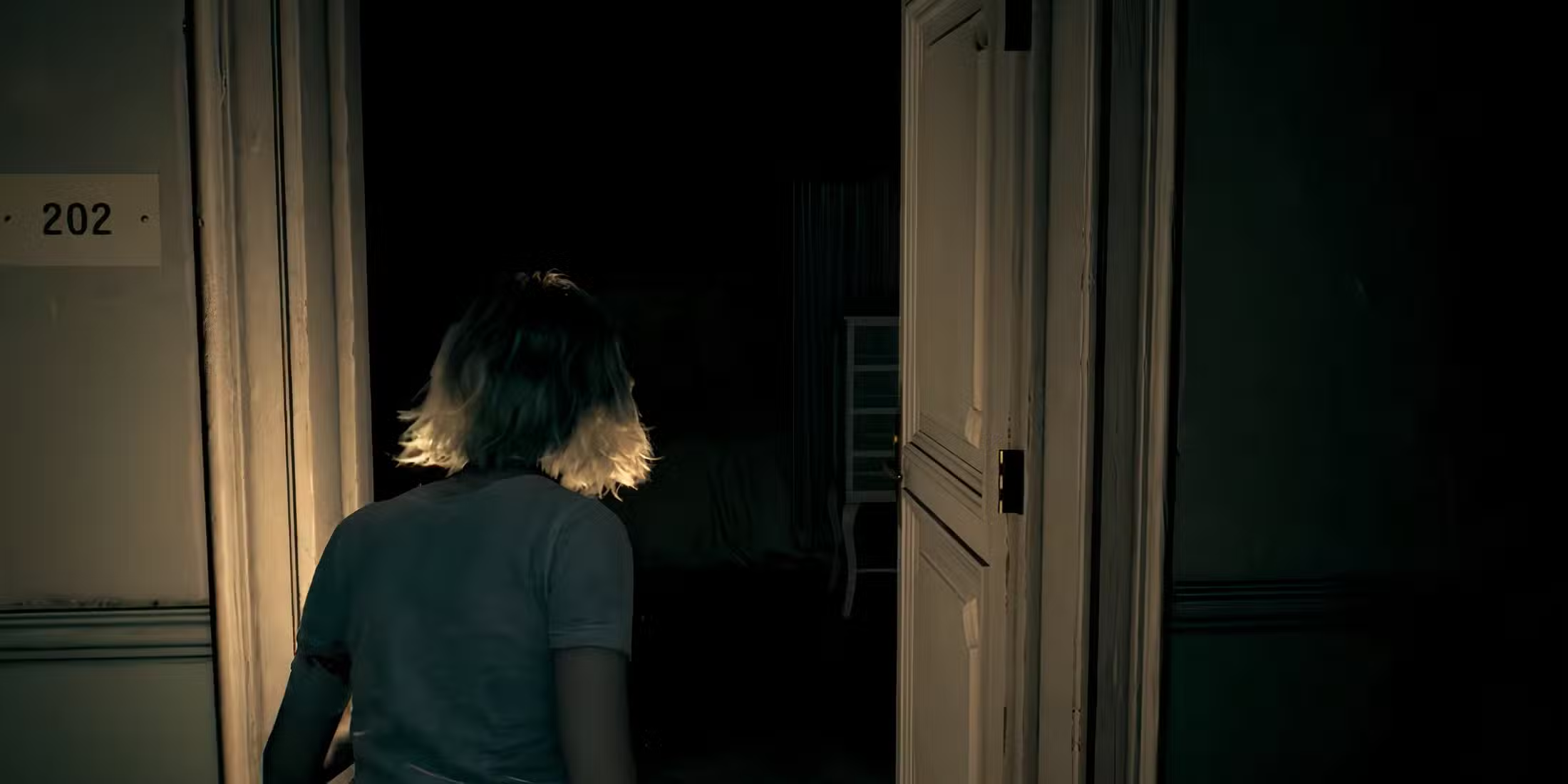
Silent Hill has left a profound impact on the horror genre, inspiring not only other video games but also movies, comics, and more. Titles like Resident Evil may be more action-oriented, but Silent Hill’s influence can be felt in psychological horror games like Amnesia, Outlast, and Layers of Fear. The themes of exploring the human psyche and blending psychological horror with supernatural elements are now staples in many modern horror games.
The franchise’s continued relevance is evidenced by the recent resurgence of survival horror games and remakes. With new adaptations in the works, Silent Hill remains a major player in horror culture, proving that it has timeless appeal and continues to attract both fans and newcomers.
The Future of Silent Hill
After years of silence, recent announcements about upcoming Silent Hill projects, including remakes and new entries, have reignited excitement around the series. Developers like Bloober Team, known for their work in psychological horror, have been tapped to work on the franchise, suggesting a modern approach that maintains the core essence of Silent Hill. While new entries will face high expectations, the unique elements of the series — the psychological horror, deep narrative, and iconic monsters — provide a strong foundation for continued success.
Final Thoughts: Why Silent Hill Continues to Haunt Us
Silent Hill stands out as a franchise that dares to question the relationship between reality and the mind, exploring how our deepest fears manifest as monsters and nightmares. It’s a series that doesn’t simply aim to scare but to unsettle and provoke thought, creating a horror experience that stays with you long after you’ve put down the controller.
For both fans and horror enthusiasts, Silent Hill is a dark journey worth exploring. Its blend of psychological depth, haunting atmosphere, and complex storytelling keeps players returning to the misty town, no matter how terrifying the trip may be.
For more horror game insights and explorations, check out our Silent Hill 2 Remake review!
Leave a Reply