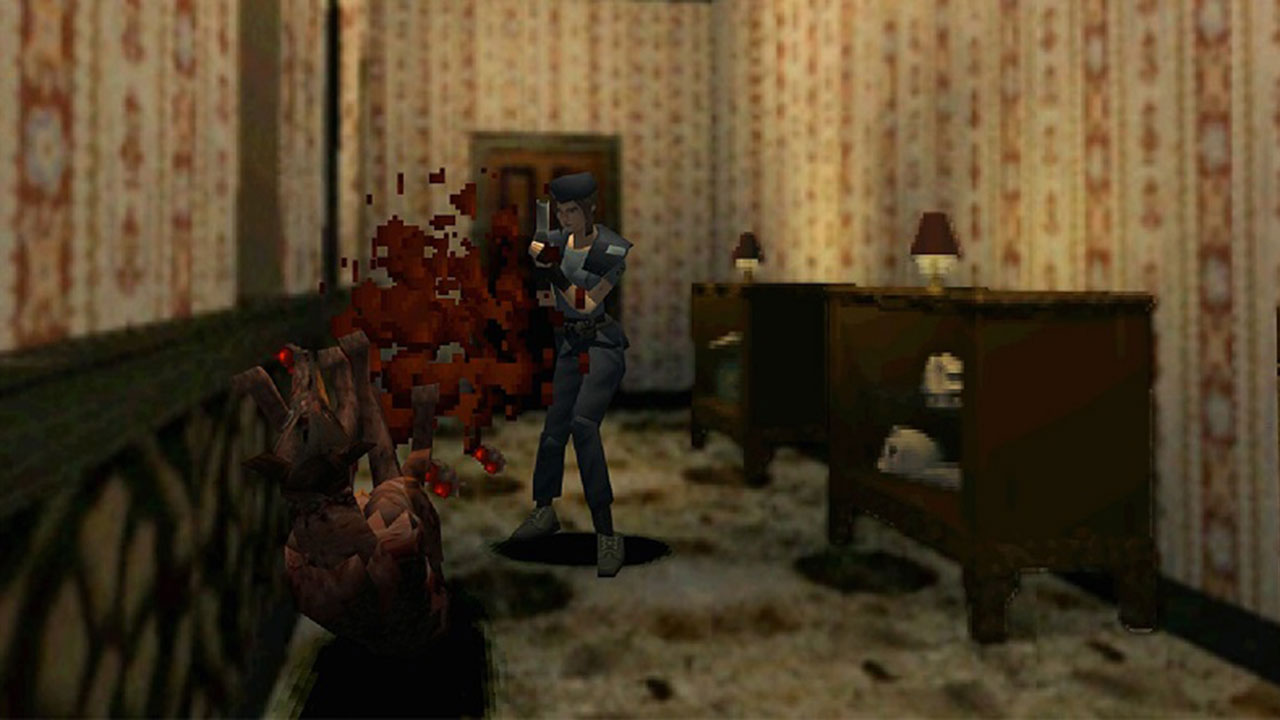

There is a specific kind of phantom pain that players of the PlayStation 1 and 2 era feel when they fire up a modern, 4K horror title. We look at the ray-traced shadows and the photorealistic sweat on the protagonist’s face, and yet… we feel safe.
Why is it that a fog-shrouded town from 2001 or a grainy, ritualistic nightmare from 2003 still gets under our skin more effectively than a $100 million blockbuster? At Terror Nexus, we’ve spent years deconstructing the “Golden Era” of horror. The answer isn’t just nostalgia—it’s a masterclass in vulnerability and the psychology of the unseen.
1. The “Fill-in-the-Blanks” Terror

Modern gaming suffers from “The Curse of Clarity.” When you can see every pore on a monster’s skin, your brain categorises it as a 3D asset. But on the PS2, hardware limitations were the developer’s greatest weapon.
In Silent Hill 2, the fog wasn’t just a mood; it was a technical necessity to hide draw distances. Because the hardware couldn’t show us everything, our imaginations did the heavy lifting. As we discussed in our Cosmic Horror Explained piece, the human mind is the best engine for generating fear. If the screen shows a blurry, twitching shape in the dark, your brain fills that void with your own personal worst-case scenario.
2. The Weight of Clunky Controls (The Tank Philosophy)

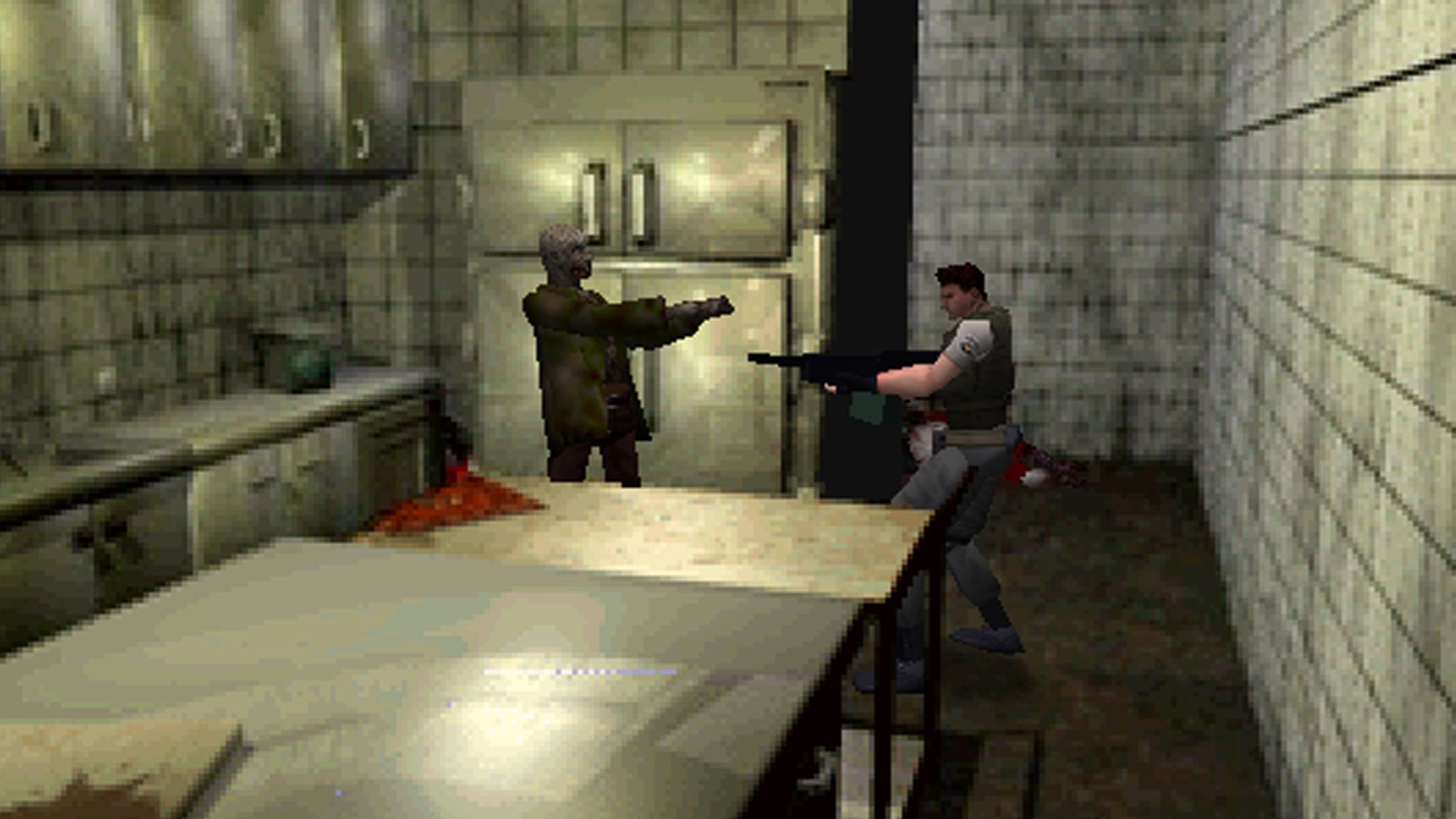
Critics often call PS2-era controls clunky or frustrating. But in the context of survival horror, clunkiness is a mechanic. When you play the Resident Evil 1 or Forbidden Siren, you aren’t an action hero. You are a fragile human being. The “Tank Controls” or the inability to move while shooting in Resident Evil 4 (2005) created a physical manifestation of panic. You couldn’t just “pro-gamer” your way out of a corner; you had to commit to your positioning. That friction created a visceral sense of helplessness that modern, fluid movement systems have accidentally smoothed away.
3. The Industrial Grime of Sound Design
Long before we had 3D Spatial Audio, masters like Akira Yamaoka were weaponising silence and industrial noise.
On the PS2, sound wasn’t meant to be “realistic”—it was meant to be disturbing. The metallic clanging, the rhythmic scratching, and the distorted radio static served as a functional warning system. As we noted in our Dead Space Remake review, modern sound design is incredible, but the PS2 era excelled at using “audio filth” to make the player feel like the very air of the game was toxic.
4. A Thank You to the Architects of Dread

We owe a massive debt of gratitude to the developers of this era. They taught us that horror is about subtraction, not addition.
- They subtracted our sight with grain filters and darkness.
- They subtracted our mobility to heighten the stakes.
- They subtracted easy answers, leaving us with the cryptic, symbolic narratives that we still dissect 20 years later.
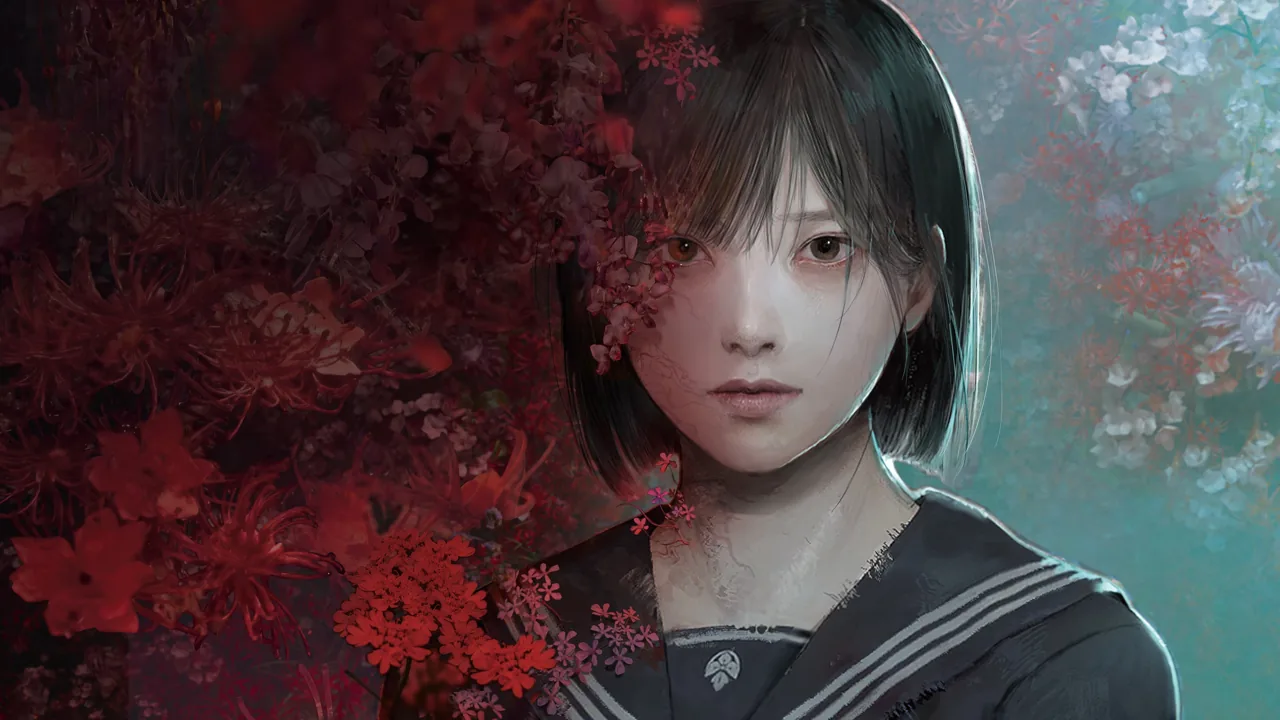
Whether it’s the haunting ritualism of Project Zero (Fatal Frame) or the relentless stalking of the Dino Crisis raptors, the PS2 era proved that the most powerful GPU in the world is the one sitting inside the player’s skull.
Respect the Roots
As we look toward the hyper-real future of Resident Evil Requiem, let’s not forget the low-resolution shadows that first taught us how to scream. The PS1 and PS2 didn’t scare us despite its limitations—it scared us because of them.
Which PS2 nightmare still keeps you up at night?
Leave a Reply